How to Become a Psychologist in Maryland
To become a licensed psychologist in Maryland, you need a doctoral degree from an APA-, CPA-, or ASPPB-recognized program (PhD or PsyD), 3,250 hours of supervised experience, and passing scores on both the Examination for Professional Practice in Psychology (EPPP) and the Maryland Jurisprudence Exam. The full process typically takes 9 to 11 years from start to licensure.
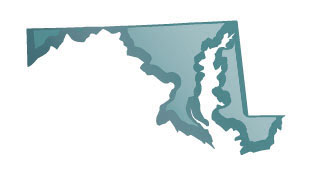
Maryland is a demanding state when it comes to psychology licensure, and that’s by design. The requirements are built to ensure that anyone holding a license has the clinical depth to back it up. If you’re drawn to therapeutic work, research, or school-based psychology in Maryland, understanding the path early saves you from costly detours.
Licensure falls under the Maryland Board of Examiners of Psychologists, which operates through the Maryland Department of Health. The board oversees applications, approves supervised experience, and administers the state’s law exam. Their forms and current requirements are available directly through the Maryland Department of Health website.


Education Requirements
Maryland requires a doctoral degree for full licensure as a psychologist. The path moves through three levels of education, each building on the last.
Bachelor’s Degree
You don’t need to major in psychology as an undergraduate, but it helps. A bachelor’s in psychology gives you grounding in research methods, statistics, developmental theory, and behavioral science, all material you’ll revisit at the graduate level. Related majors like neuroscience, sociology, or biology can work, but expect to fill gaps before doctoral programs will consider you competitive.
Master’s Degree
A master’s isn’t required before a doctoral program. Many PhD programs admit students directly from a bachelor’s. That said, a master’s in psychology can strengthen a weaker application, confirm that clinical work is the right fit, or help you identify which doctoral specialization to pursue. Some students complete a master’s first and use that experience to target more selective doctoral programs.
Doctoral Degree (PhD or PsyD)
This is the required degree for full licensure in Maryland. The board accepts degrees from programs accredited by the American Psychological Association (APA) or the Canadian Psychological Association (CPA), as well as programs designated by the Association of State and Provincial Psychology Boards (ASPPB).
PhD programs emphasize original research and prepare graduates for academic, research, or clinical careers. PsyD programs concentrate on clinical practice and direct service delivery. Both paths lead to licensure in Maryland. Your choice should reflect what you want to do after you graduate, not just which program admits you.
Supervised Experience
After your doctoral program, you need 3,250 hours of supervised professional experience before the board will issue your license. Here’s how those hours break down:
- At least 1,750 hours must come from your internship, completed within a continuous 24-month period
- The remaining 1,500 hours can be spread across other training periods, including pre-internship, post-internship, pre-doctoral, and post-doctoral
- Supervised hours must meet the board’s current standards for face-to-face supervision. Confirm the specific breakdown directly with the Maryland Board of Examiners of Psychologists, as requirements can change.
These requirements apply to practice-oriented doctoral programs. If your program is research-only or organization-focused, the internship component works differently. Check with the board directly if your program doesn’t follow a standard clinical training model.
Passing the Required Exams
Maryland requires two exams for licensure. Both must be passed before your license is issued.
The first is the Examination for Professional Practice in Psychology (EPPP), a national exam covering eight content areas including biological bases of behavior, assessment and diagnosis, and professional ethics. Maryland requires a passing score that meets the state minimum. Confirm the current cutoff with the board when you apply.
The second is the Maryland Jurisprudence Exam, a state-specific exam covering Maryland psychology laws and regulations. This is separate from the EPPP and isn’t waived for any applicant, including those transferring a license from another state.
Applying for Licensure
Once your education and supervised hours are complete, you can submit your application to the board through the Maryland Department of Health’s online portal. You’ll need to provide:
- Proof of a doctoral degree from a board-approved program
- Documentation of supervised experience hours
- Reference coversheets from your supervisors (forms available on the board’s website)
- Passing scores on both the EPPP and the Maryland Jurisprudence Exam
- Fingerprinting and a criminal history records check
Processing times vary. Apply well before you plan to begin practice so any documentation issues don’t delay your start date.
Can You Practice with a Master’s Degree?
Not independently. Maryland does not issue a full psychologist license to master’s-level practitioners. The board offers a separate Psychology Associate credential that allows supervised practice under a licensed psychologist, but it isn’t independent licensure.
If you hold a master’s in psychology or a related field, you can pursue other licensed mental health roles in Maryland instead. The Licensed Clinical Professional Counselor (LCPC) requirements in Maryland and the path to social work licensure in Maryland each offer independent practice rights. These are different professions, but they are worth understanding if you want a shorter route to clinical work.
Transferring Your License to Maryland
Maryland offers limited reciprocity for psychologists already licensed in other U.S. states. You can use your existing license to obtain a temporary Maryland license, which stays valid while you complete the Maryland Jurisprudence Exam. Once you pass, your temporary license converts to a full one. Your EPPP score transfers, and you won’t need to retake it.
Psychologists certified by the American Board of Professional Psychology (ABPP) or credentialed through the National Register of Health Service Psychologists (NRHSP) may qualify for an abbreviated application process.
Renewing Your Psychology License
Maryland psychology licenses expire on March 31 every two years. To renew, you’ll need 40 hours of continuing education during the renewal period. The breakdown matters:
- No more than 20 of the 40 hours can be independent (self-study) credit
- At least 3 hours must cover ethics, psychology, law, or risk management
- At least 3 hours must address competence with culturally diverse populations
The board runs random audits, so keep documentation of your completed hours. Renewals are submitted online through the Maryland Department of Health.
Salary and Career Outlook
According to the Bureau of Labor Statistics, clinical and counseling psychologists in Maryland earn approximately $105,000 to $110,000 per year, depending on specialty and dataset. The state’s concentration of federal agencies, research institutions, and major healthcare systems, including Johns Hopkins, the National Institutes of Health, VA medical centers, and large school districts, creates sustained demand for psychology professionals across specializations.
Maryland also faces a significant shortage of mental health workers. Health workforce data consistently show provider capacity falling well short of population need, indicating that licensed psychologists entering the state’s market can expect strong job availability across clinical, community, and institutional settings.
Frequently Asked Questions
How long does it take to become a licensed psychologist in Maryland?
The full process typically takes 9 to 11 years. That includes four years for a bachelor’s degree, two to three years for a master’s degree (if pursued), three to five years for a doctoral degree, and then the supervised experience and exam requirements after graduation. Your timeline depends on your educational path and how quickly you accumulate your supervised hours.
Does Maryland require a doctoral degree to practice as a psychologist?
Yes. Maryland requires a doctoral degree (either a PhD or PsyD) from an APA-, CPA-, or ASPPB-recognized program for full independent licensure. A master’s degree qualifies you for the Psychology Associate credential only, which requires ongoing supervision and doesn’t grant independent practice rights.
What exams do I need for Maryland psychology licensure?
Two: the Examination for Professional Practice in Psychology (EPPP) and the Maryland Jurisprudence Exam. The EPPP is a national exam covering eight areas of clinical knowledge. The jurisprudence exam is state-specific and covers Maryland psychology laws and regulations. Both must be passed before your license is issued.
Can I transfer my psychology license from another state to Maryland?
Yes, with conditions. Maryland offers limited reciprocity. You can obtain a temporary license using your out-of-state credentials, but you must still pass the Maryland Jurisprudence Exam. Your EPPP score transfers and doesn’t need to be retaken. Psychologists with ABPP certification or NRHSP credentialing may qualify for an expedited process.
How many continuing education hours do I need to renew my Maryland psychology license?
40 hours every two years. At least 3 hours must cover ethics or psychology law, and at least 3 hours must address cultural competence. No more than 20 of the 40 total hours can come from independent study. Licenses expire on March 31 every two years.
Key Takeaways
- Doctoral degree required: Maryland requires a PhD or PsyD from an APA-, CPA-, or ASPPB-recognized program for full licensure. A master’s degree qualifies you only for the supervised Psychology Associate credential.
- 3,250 supervised hours: At least 1,750 through your internship, with the remainder drawn from other supervised training periods. Confirm current face-to-face requirements with the board.
- Two exams to pass: Both the EPPP and the Maryland Jurisprudence Exam are required before your license is issued.
- Expect 9 to 11 years: From a bachelor’s degree to independent practice, the full process is a significant time and training investment.
- Renewal every two years: Licenses expire March 31. You’ll need 40 CE hours per cycle, including minimums for ethics and cultural competence.
Ready to explore psychology programs in Maryland? Browse accredited degree options and find the path that fits your licensure goals.
Bureau of Labor Statistics, U.S. Department of Labor. Salary figures for Clinical and Counseling Psychologists. Salaries reflect state data, not school-specific information. Conditions in your area may vary. Licensure requirements may change. Confirm current details with the Maryland Board of Examiners of Psychologists—data accessed April 2026.